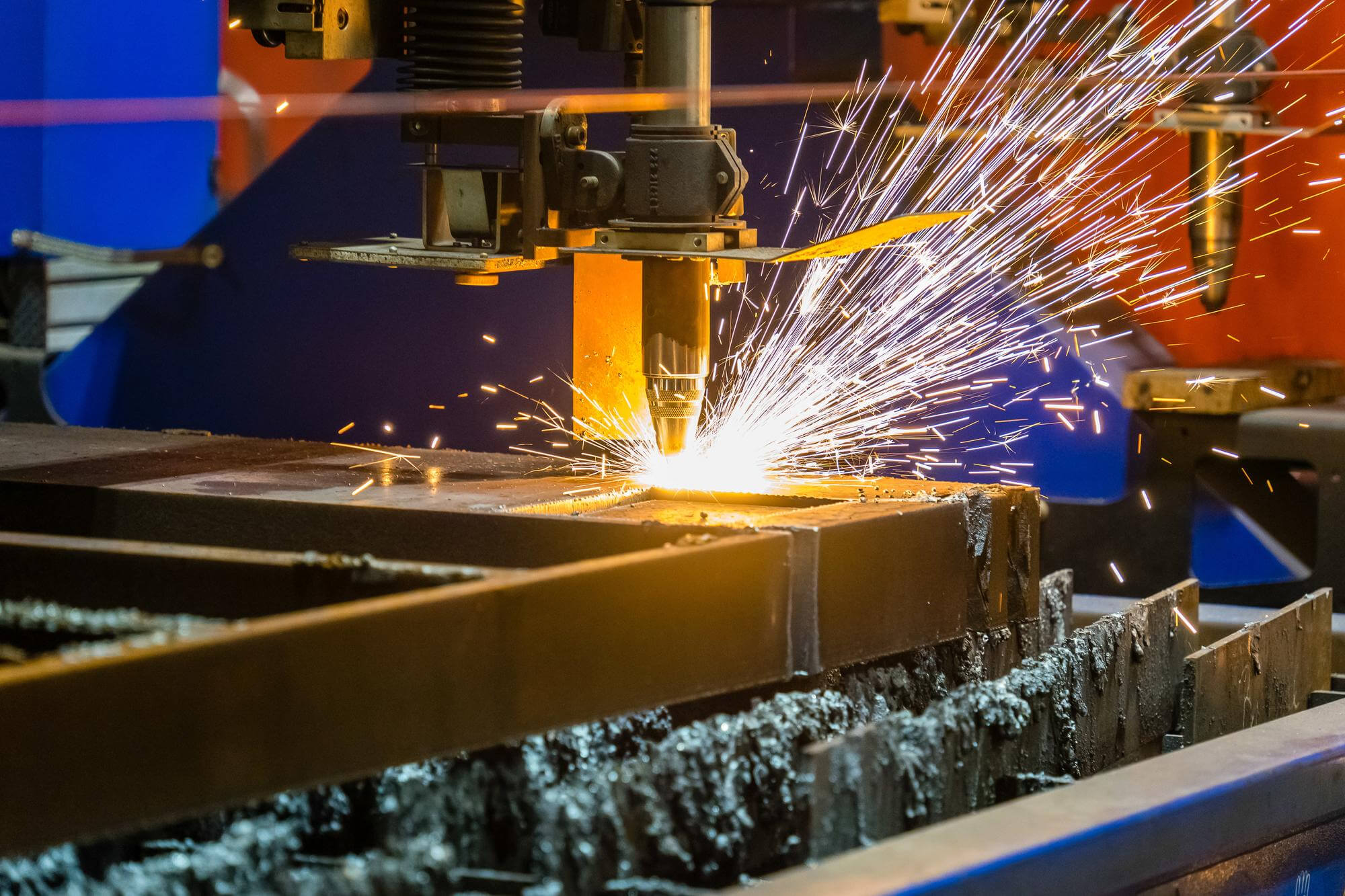
CNC Milling
Suitable for producing flat surfaces, slots, pockets and complex geometries on metal parts, subject to design and tooling requirements.

Every project has its own requirements for material, geometry, dimensions, surface finish and production volume. Our machining solutions are designed around your drawings, specifications and intended application.
Whether you need a custom aluminum component, a stainless steel part or a made-to-specification metal component, sharing your technical requirements helps us evaluate the appropriate manufacturing approach.
Explore machining processes for custom metal components. The suitable process depends on part geometry, material, dimensional requirements and production volume.
Suitable for producing flat surfaces, slots, pockets and complex geometries on metal parts, subject to design and tooling requirements.
Used for cylindrical and rotational components, with the process selected according to part dimensions, material and drawing requirements.
Hole-making and thread machining for metal components according to specified hole sizes, thread standards and drawing details.
Material selection affects machinability, weight, strength, corrosion resistance, surface finish and total part cost. Specify your required grade and application when requesting a quote.
Aluminum components are commonly selected for applications where low weight, machinability and corrosion resistance are important considerations. The appropriate alloy depends on the part's intended use.
Explore Aluminum Materials →Stainless steel components can be suitable for applications requiring corrosion resistance, durability or specific mechanical properties. Grade selection should match the service environment.
Explore Stainless Steel →Have a drawing, sample or specific component requirement? Share the dimensions, material specifications and application for a project review.
Submit Your Requirements →A clear manufacturing workflow helps align specifications, production requirements and delivery expectations before an order moves forward.
Provide 2D drawings, 3D CAD files or a detailed description of the part and its intended application.
Confirm material grade, dimensions, tolerances, surface finish and expected order quantity.
Review the proposed process, inspection requirements and commercial details before production confirmation.
Align inspection criteria, packaging requirements and the delivery schedule for the confirmed order.
Consistent part quality begins with an agreed understanding of the drawing, material and acceptance criteria. Define your critical requirements before production to reduce ambiguity.
Specify the required material grade and any applicable documentation requirements.
Identify critical dimensions, tolerances and inspection points on your drawings.
State required surface conditions, finishing processes and appearance criteria.
Machined metal parts can serve a wide range of industrial applications. Share the actual operating conditions and performance requirements so the appropriate material and manufacturing route can be evaluated.
Custom brackets, housings and mechanical components.
Application-specific metal parts for equipment assemblies.
Machined components designed to fit specified assemblies.
Made-to-drawing components for qualified project requirements.
Find answers to common questions about custom metal machining, technical drawings and quotation requirements.
Aluminum and stainless steel are two common materials for machined metal components. The available grades should be confirmed for each project based on material requirements, machinability and intended application.
Custom machining projects can be evaluated using technical drawings, 3D CAD files or detailed part specifications. Share the files and required material so manufacturing feasibility can be reviewed.
Include the part drawing, material grade, quantity, dimensional tolerances, surface finish, inspection requirements and delivery destination where available. Complete information helps clarify the quotation scope.
Yes. Suitable finishing options depend on the base material, part geometry, functional requirements and appearance specifications. Confirm the required finish before the quotation is finalized.
Send your drawings or specifications through the inquiry page. Include the expected quantity, material requirements and target delivery schedule to help evaluate your project.
Send your drawings and material requirements to discuss your machining project.
 Scan the QR code to contact us